🏆 We're nominated for Egypt's Leading Travel Agency 2026 – Your vote matters!

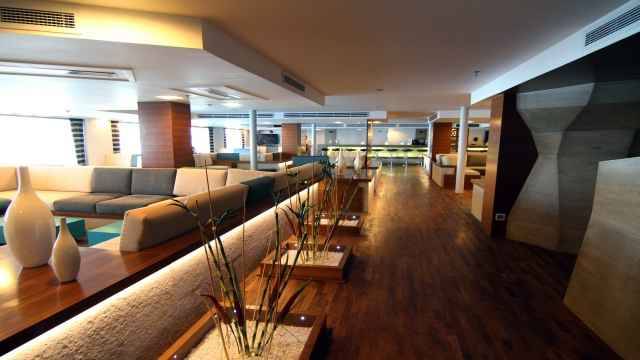
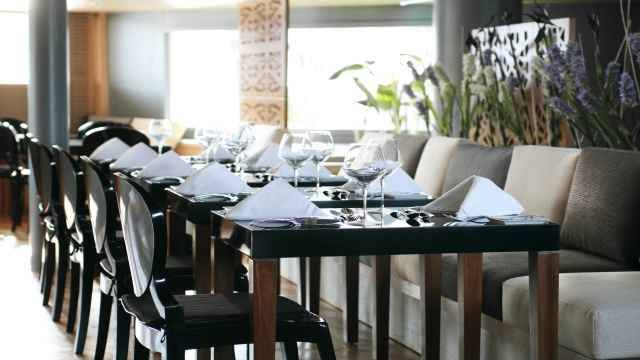
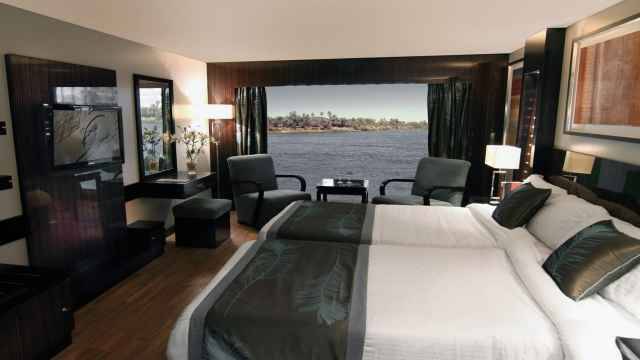
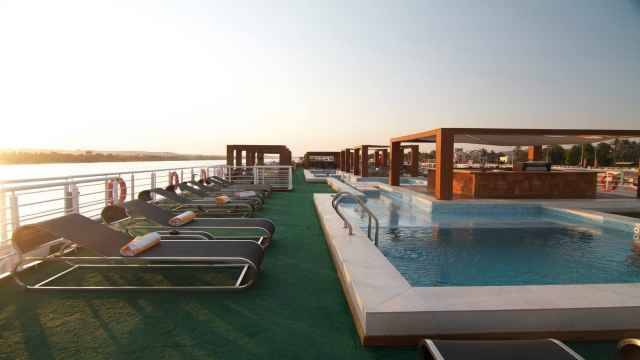
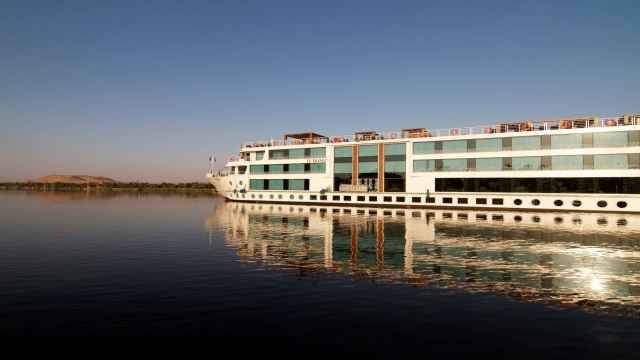
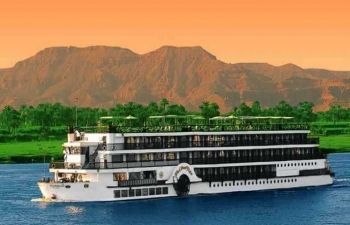
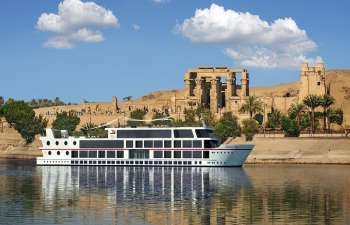
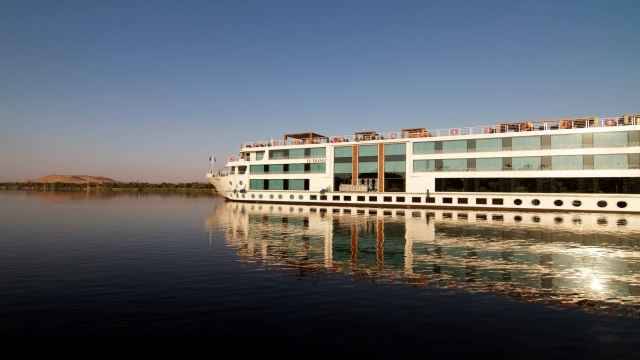
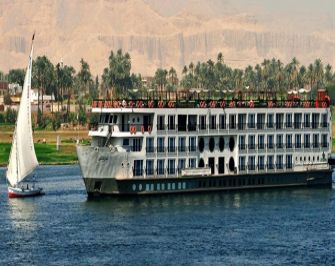
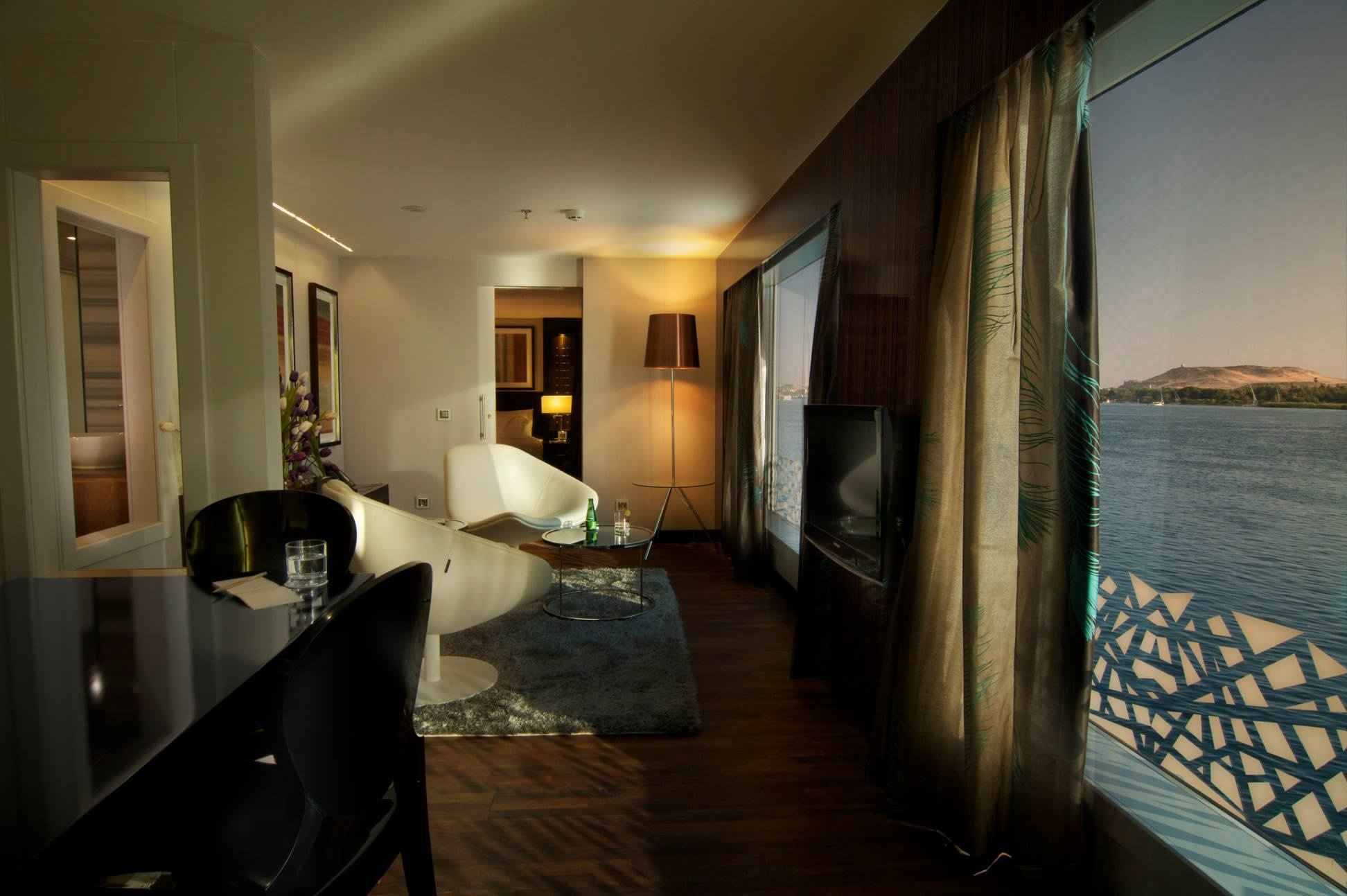
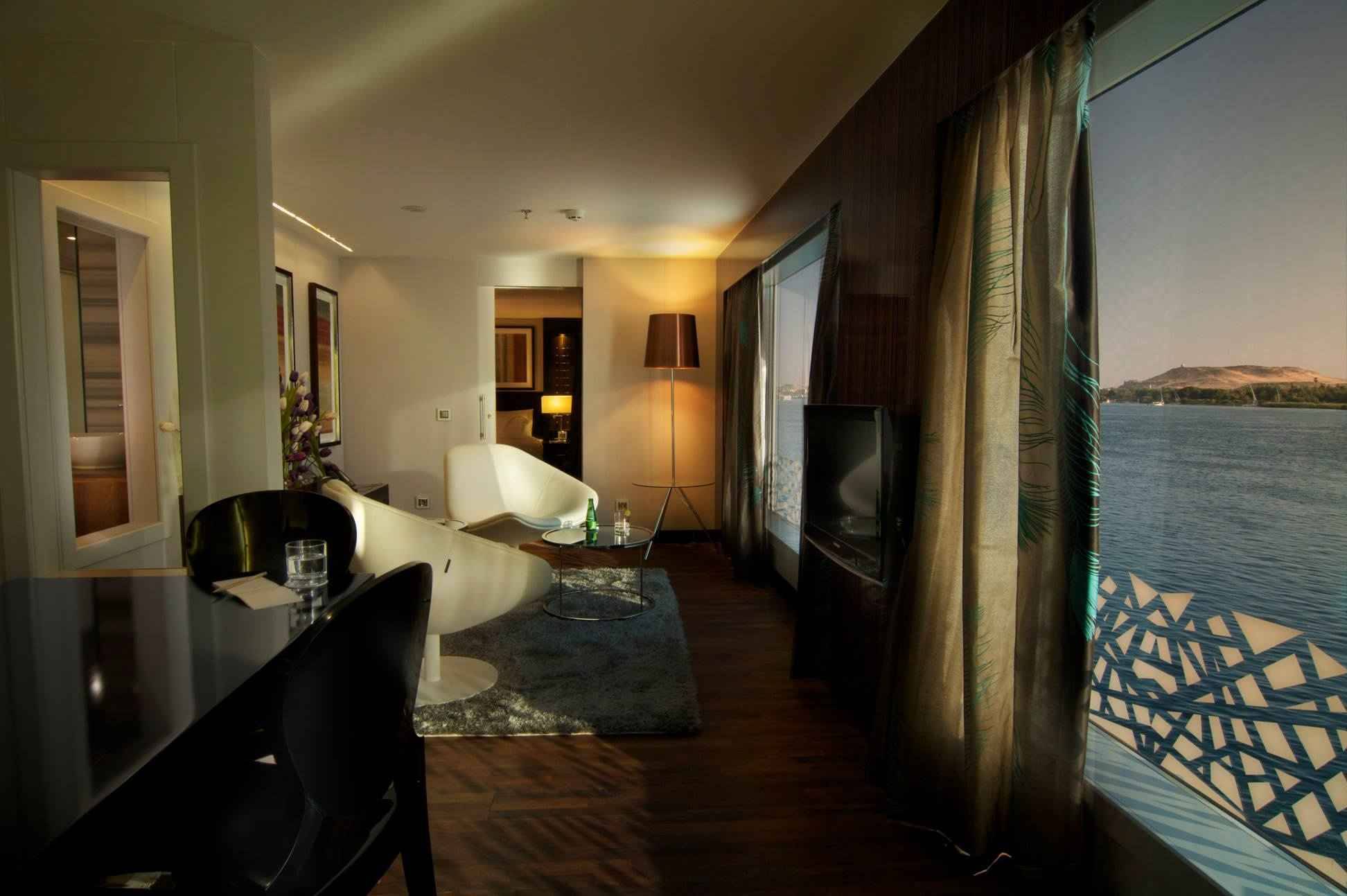
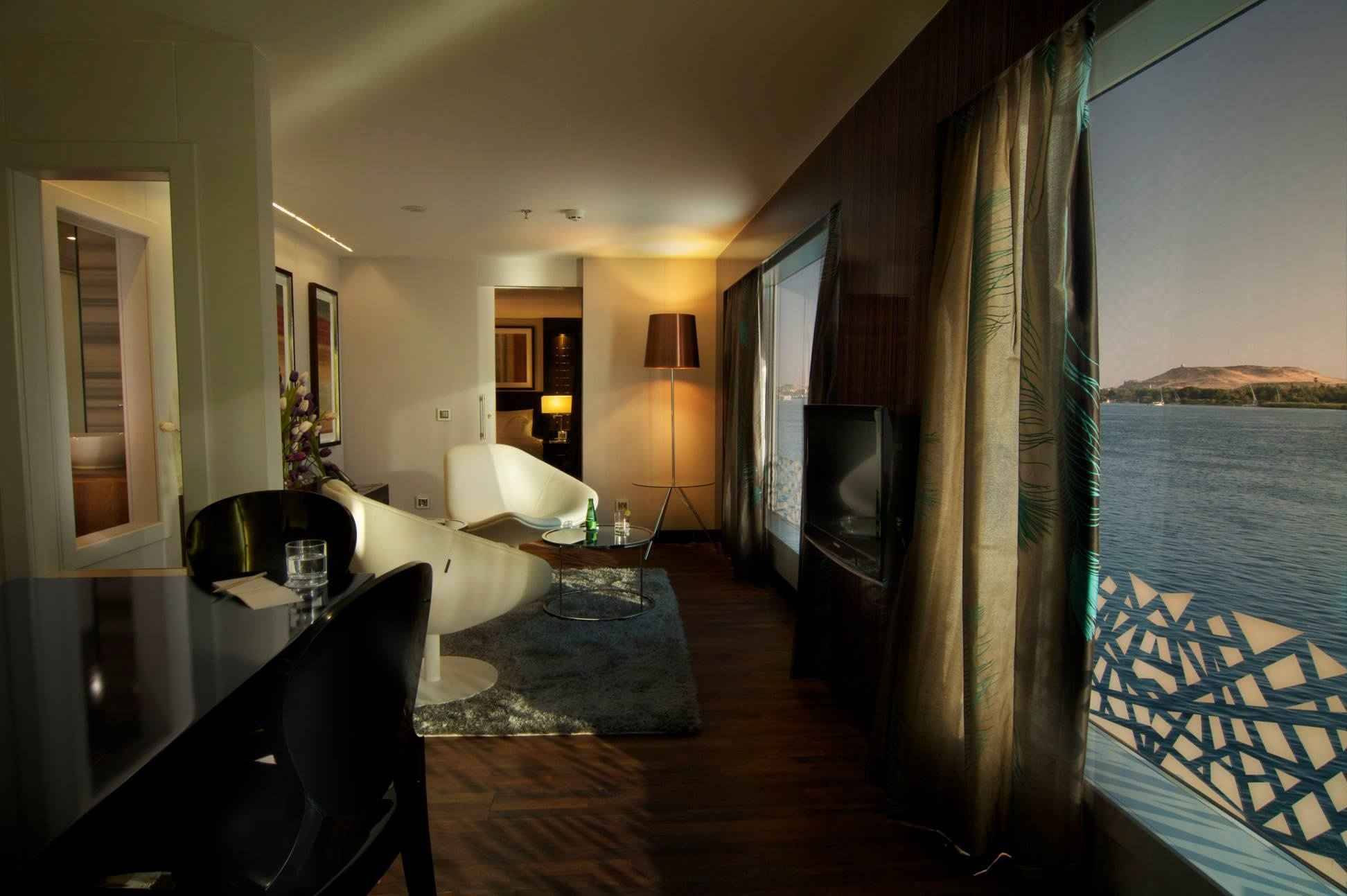
8 Days Nile river Cruise between Luxor and Aswan on Le Fayan Nile cruise

From: 1600 $ per person
Duration8 Days / 7 Nights
Tour LocationAswan
Tour AvailabilityThursday
Pickup & Drop OffLuxor or Aswan
Tour TypePrivate

Tour Details

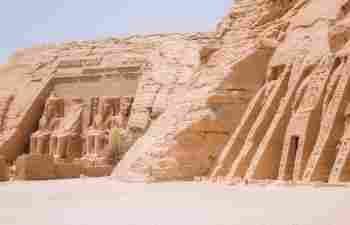
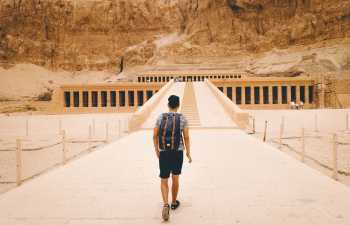
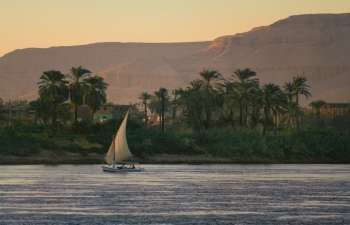
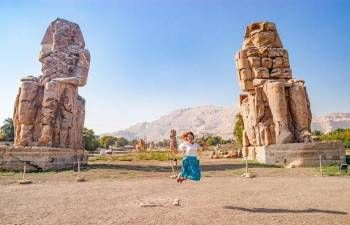
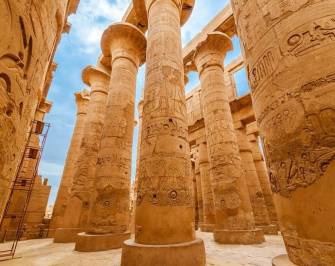
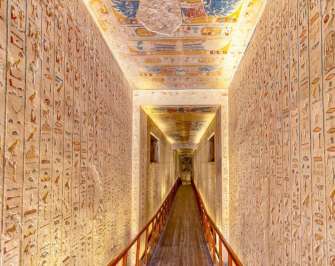
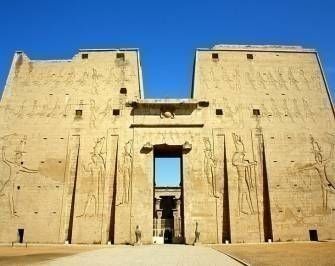
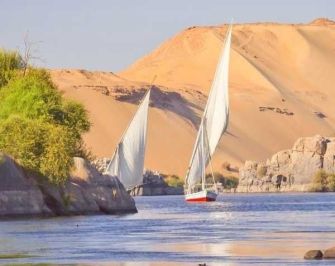
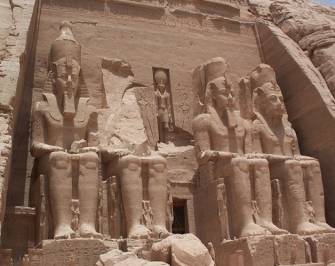
Nile River Nile Cruises to Aswan 7Nights /8 Days Nile Cruise Between Luxor and Aswan on Le Fayan Nile Cruise, Visit the valley of Kings, The Karnak temples, Luxor temple, and Karnak temple. Discover the Nile River and Sail on the Nile with Felucca Transfer from airport or hotel and Embarkation& Lunch on board of the Nile Cruise, proceed with the Visits to the Eastbank of the Nile Including Karnak temple: Karnak is more than A temple, is a spectacular Complex of Sanctuaries, Kiosks, Pylons, and Obelisks, All dedicated to the Theban gods and to the Greater Glory of Egypt`s Pharaohs, Karnak was the Most Important place for the worship of the Theban Triad(Amun, Mut, and Khonso) Luxor Temple: Largely built by the New Kingdom Pharaoh Amenhotep the Third and Completed by King Tutankhamon and the Great King Ramses the second, The First pylon was raised by Ramses the second and Decorated with His Military Battle of Kadesh Dinner &Overnight on board of the Cruise in Luxor Optional trip-Balloon ride Egypt Hot Air Balloon is an amazing way to see the world’s largest open-air museum- Luxor -Your will see Luxor with birds-eye(90 $ per person) Breakfast on the board on the Nile cruise, Breakfast on the Nile Cruise, Visit the west bank of the Nile Including: The valley of the Kings: Once called the great Place of the Truth, this valley Called now the valley of the Kings, It is a Majestic domain of the Pharaohs who once lay in great stone Sarcophagi, awaiting immortality, The isolated valley behind Deir el Bahri is dominated by the Pyramid-Shaped Mountain Peak The colossi of Memnon: Massive pair statues Know as the Colossi of Memnon, Rising about 18 M from the plain, They are the remains of what once the largest complex on the west bank, Built by Amenhotep the Third The Queen Hatshepsut temple: Rising out of the desert Plain, in a series of terraces, The temple of Hatshepsut Mergs with sheer limestone Cliffs of the eastern face of the Theban Mountain as if Nature herself had built this Extraordinary monument. 13:00 sail to Esna lock& lunch will be during the sail 18:00 arrive, Esna Lock, Sail to Edfu& Dinner Overnight o board of the Cruise in Edfu Breakfast on board the Cruise 07:00 Visit the temple of Edfu Edfu temple : Upper Egyptian site dominated by a large well -Preserved temple, dedicated to the hawk-God Horus, The Construction of Ptolemaic temple of Horus, which was founded on the site of a much earlier temple, dated to the period between the reigns of Ptolemy the Third(246 B.c), The descriptions on the walls include the Myth of contending of Horus and Seth(Probably performed annually as a religious Drama. 09:30 Sail to Kom combo 12:30 lunch on board of the Nile cruise during the sail 17:30 arrive Kom Ombo visit the temple of Kom Ombo Kom Ombo temple : The temple and the associated settlement site located 40 K.m north of Aswan, the temple was dedicated to the deities Sobek and Horus and date mainly to the Ptolemaic and Roman period(332 B.b -397 A.c) 17:30 Continue sailing to Aswan, Dinner will be during the sail 21:00 arrive Aswan and overnight on board the Cruise Breakfast on Board the Cruise 08:00 Proceed with Visits of Aswan including the Temple of Philae and tour by Felucca around Elephantine, the High Dam, the Unfinished Obelisk Phiala temple: Built to honor the goddess Isis, this was the last temple built in the classical Egyptian style. Construction began around 690 BC, and it was one of the last outposts where the goddess was worshipped The High Dam: Aswan High Dam is a rock-fill dam located at the northern border between Egypt and Sudan. The dam is fed by the River Nile and the reservoir forms Lake Nasser. Construction for the project began in 1960 and was completed in 1968. It was officially inaugurated in 1971. The Unfinished Obelisk : Aswan was the source of ancient Egypt’s finest granite, used to make statues and embellish temples, pyramids, and obelisks. The large unfinished obelisk in the Northern Quarries has provided valuable insight into how these monuments were created, although the full construction process is still not entirely clear. Three sides of the shaft, nearly 42m long, were completed except for the inscriptions. At 1168 tonnes, the completed obelisk would have been the single heaviest piece of stone the Egyptians ever fashioned. 12:00 lunch on board of the Cruise Dinner &overnight onboard the Cruise Breakfast on board the cruise. Optional tour to Visit Abu Simbel Abu Simbel temples: The two temples of Ramses the second and the Queen Nefertari were carved out of the Mountain on the west bank of the Nile between 1274 and 1244 B.c, The Great Temple was dedicated to Ramses the second, Ra-Harakhty, Amun Ra, and Ptah, with 4 Colossal statues, The second temple was dedicated to The Queen Nefertari and Goddess Hathor, the two temples were dismantled stone by stone and rebuilt on higher ground, The preservation of the two temples of Abu Simbel must Rank as the greatest Achievement of the Unesco. Sail to Kom Ombo Dinner & overnight onboard the cruise in Aswan. Free Morning. Breakfast on the Cruise- Enjoy a Day sailing Lunch on the Cruise Sail though Esna barrage Dinner on the Cruise Free Day in Luxor Breakfast, lunch, and dinner on the Cruise If you wish to book an optional tour to ( West Bank ) Madinet Habu temple-Ramsseum-Valley of the Queens( 80 $ per person) Madinat Habu temple : In ancient times Madinat Habu was known as Djanet and according to ancient belief was the place was Amun first appeared. Both Hatshepsut and Tuthmosis III built a temple dedicated to Amun here and Later Rameses III constructed his larger memorial temple on the site. First Pylon – the temple of Rameses III During his time Djanet became the administrative center of Western Thebes. The whole temple complex was surrounded by a massive fortified enclosure wall, with an unusual gateway at the eastern entrance, known as the pavilion gate. This structure, a copy of Syrian migdol fortresses is something you would not expect to see in Egypt. Rameses III, a military man probably saw the virtue in such a structure. It is likely Rameses resided here from time to time because a royal palace was attached at the south of the open forecourt of this temple, while priests’ dwellings and administrative buildings lay on either side of the temple. Originally a canal with a harbor outside the entrance connected the temple to the Nile. But this was obliterated by the desert long ago. Madinat Habu temple from the air Ramsseum: Ramesseum, funerary temple of Ramses II (1279–13 BC), erected on the west bank of the Nile River at Thebes in Upper Egypt. The temple, famous for its 57-foot (17-meter) seated statue of Ramses II (of which only fragments are left), was dedicated to the god Amon and the deceased king. The walls of the Ramesseum, which is only about half preserved, are decorated with reliefs, including scenes depicting the Battle of Kadesh, the Syrian wars, and the Festival of Min Deir El Madina The main cemetery of the royal workmen at Deir el-Medina is situated to the west of the village, on the slope of the Theban hills. Most of the tombs were built during the 19th dynasty. Some of them are impressive in their decoration and size. By the time of the 20th dynasty, the tombs had been turned into family tombs in which the descendants of the original owners were buried. Little alterations were made apart from the addition of another subterranean burial chamber. The lower courses of the eastern hill of Qurnet Murai were the site of burials of babies and children. More than a hundred children were buried in common domestic pottery jars or amphorae, in baskets, even fish baskets, in chests, boxes or in proper coffins there. The poorest burials were those of still-born babies. They contained no jewelry or amulets, only small vessels filled with food for the afterlife. The adults' graves were situated higher up. Many of these graves date from the 18th dynasty Lunch During the tour. The valley of The Queens The Valley of the Queens, also known as Biban el-Harim, Biban el-Sultanate, and Wadi el-Melikat, is a place in Egypt where wives of Pharaohs were buried in ancient times. In ancient times, it was known as Ta-Set-Neferu, meaning - 'the place of the Children of the Pharaoh', because along with the Queens of the 18th, 19th and 20th dynasties (1550-1070 BCE) many princes and princesses were also buried with various members of the nobility. The tombs of these individuals were maintained by mortuary priests who performed daily rituals and provided offerings and prayers for the deceased nobility. The valley is located near the better-known Valley of the Kings on the west bank of the Nile across from Thebes (modern Luxor ) . This barren area in the western hills was chosen due to its relative isolation and proximity to the capital. The kings of the 18th dynasty, instead of the traditional building of pyramids as burial chambers (perhaps because of their vulnerability to tomb robbers), now chose to be buried in rock-cut tombs. This necropolis is said to hold more than seventy tombs, many of which are stylish and lavishly decorated. An example of this is the resting place carved out of the rock for Queen Nefertari (1290-1224 BCE) of the 19th Dynasty. The polychrome reliefs in her tomb are still intact. The ancient Egyptians gave it the name Set Neferu, meaning "seat of beauty". From 1903-1906 an Italian expedition discovered about eighty tombs, some of which belonged to children of royalty. Many were severely damaged having been burned and or reduced to being used as stables for donkeys and camels. One of the most well-known tombs is that of Nefertari, the best-loved of Ramesses II's numerous wives. In her honor, he built a beautiful temple at Abu Simbel. In the Evening you can Enjoy An Optional Tour Sound and Light Show at Karnak :( 35 $ per person) The show starts with a historical introduction covering the birth of the great city of Thebes and the erection of the Karnak The show narrates the glorious achievements of some great Pharaohs as you listen to a magnificent and poetic description of the artistic treasures and great legacy which the Karnak temple encloses. Overnight on the cruise Breakfast on Board. Disembarkation and transfer to the hotel in Luxor or Luxor airport transfer Prices Prices are quoted in $ USA Dollars per person per trip in Double Cabin Prices Prices are quoted in USA Dollars per person per trip in single Cabin and Payment PolicyChildren Policy 0 - 01.99 Free of Charge 2 - 5.99 pay 25% of the tour price 6 - 11.99 pay 50% of the tour price 12+ pay full tour price as per adult person. Reservations should be made as early as possible to book the desired Nile cruise, spaces will be secured upon receiving a deposit of 25 %, and during the Christmas and New Year holidays, the required deposit is 50%. This deposit forms part of your final payment. Deposits can only be made by credit cards, wire transfer and or the Western Union Tipping It is a customary attitude for expressing one's satisfaction with good services rendered to him by staff on duty with him. We advise if you are willing to offer it, this would be great and if not, you are not obliged to do it.

Tour Highlights

Tour Highlights

  • Karnak Temples
  • Luxor Temple
  • Valley of the Kings
  • Hatshepsut Temple
  • Colossi of Memnon
  • Edfu Temple
  • The High Dam
  • The Unfinished Obelisk
  • Philae Temple
  • Abu Simbel ( Optional tour)

Tour Inclusions

  • Meet and assist service upon arrival & departure
  • All transfers by a modern air-conditioned deluxe vehicle
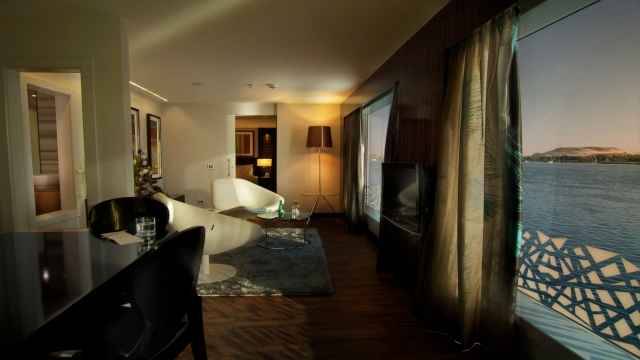
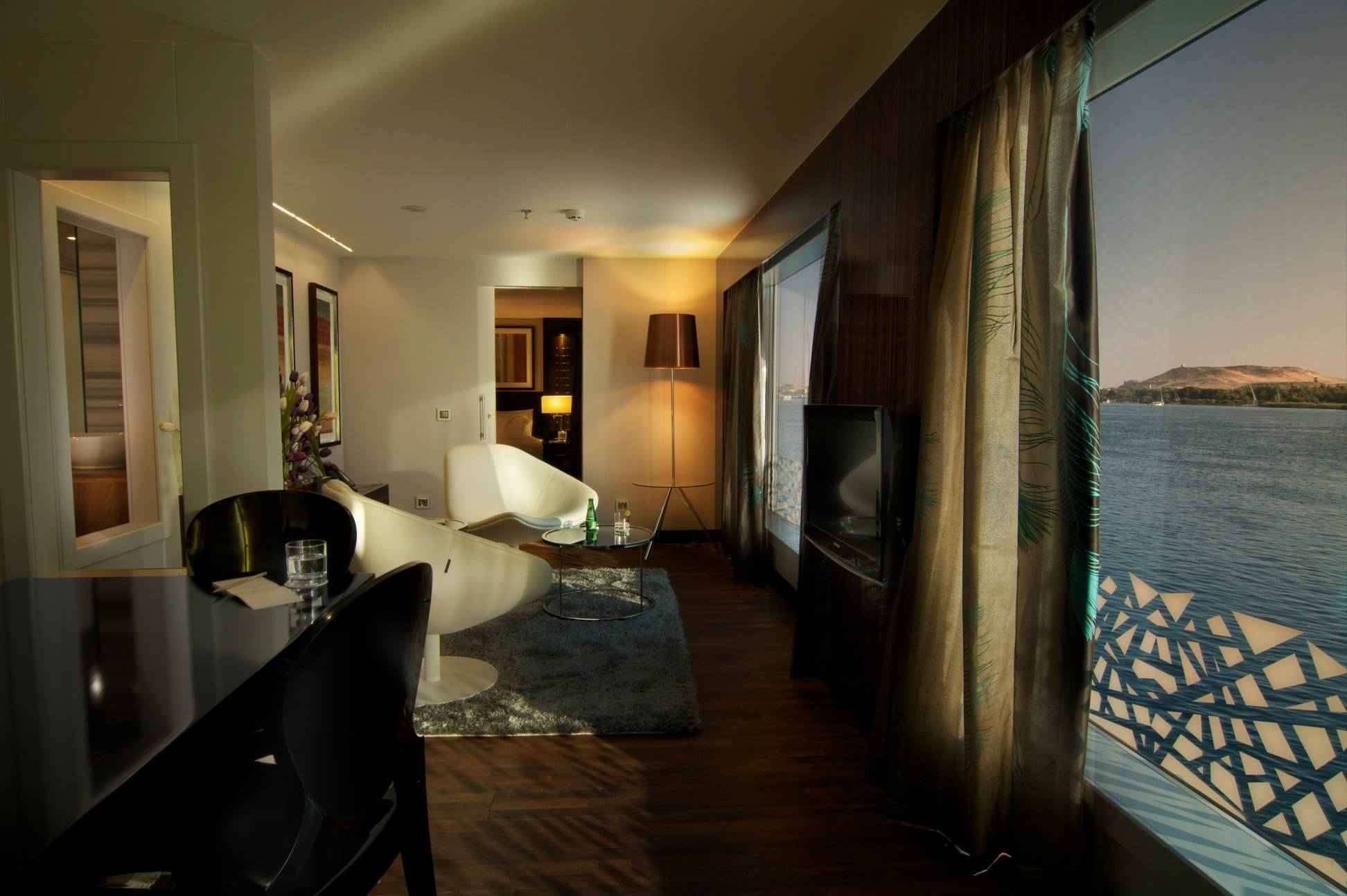
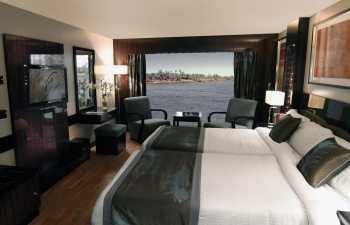
  • Accommodation onboard Le Fayan Nile cruise on full board basis- 7 Nights
  • All Nile Cruise excursions as mentioned in the itinerary sharing Nile cruise group
  • Entrance fees to all sights between Luxor and Aswan
  • English-speaking tour guide during your excursions
  • All service charges and taxes

Tour Exclusions

  • Any extras and personal spending
  • Tipping
  • Optional tour to Abu Simble -90 $

برنامج الرحلة يوماً بيوم · Tour Itinerary

اليوم الأول — ThursdayDay 1 — Thursday

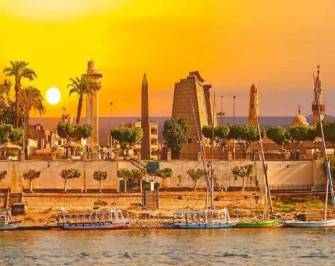
Transfer from airport or hotel and Embarkation& Lunch on board of the Nile Cruise, proceed with the Visits to the Eastbank of the Nile Including Karnak temple: Karnak is more than A temple, is a spectacular Complex of Sanctuaries, Kiosks, Pylons, and Obelisks, All dedicated to the Theban gods and to the Greater Glory of Egypt`s Pharaohs, Karnak was the Most Important place for the worship of the Theban Triad(Amun, Mut, and Khonso) Luxor Temple: Largely built by the New Kingdom Pharaoh Amenhotep the Third and Completed by King Tutankhamon and the Great King Ramses the second, The First pylon was raised by Ramses the second and Decorated with His Military Battle of Kadesh Dinner &Overnight on board of the Cruise in Luxor

اليوم الثاني — FridayDay 2 — Friday

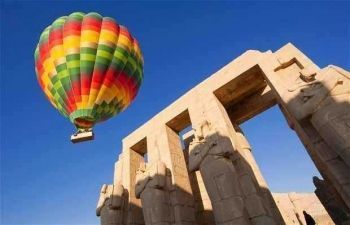
Optional trip-Balloon ride Egypt Hot Air Balloon is an amazing way to see the world’s largest open-air museum- Luxor -Your will see Luxor with birds-eye(90 $ per person) Breakfast on the board on the Nile cruise, Breakfast on the Nile Cruise, Visit the west bank of the Nile Including: The valley of the Kings: Once called the great Place of the Truth, this valley Called now the valley of the Kings, It is a Majestic domain of the Pharaohs who once lay in great stone Sarcophagi, awaiting immortality, The isolated valley behind Deir el Bahri is dominated by the Pyramid-Shaped Mountain Peak The colossi of Memnon: Massive pair statues Know as the Colossi of Memnon, Rising about 18 M from the plain, They are the remains of what once the largest complex on the west bank, Built by Amenhotep the Third The Queen Hatshepsut temple: Rising out of the desert Plain, in a series of terraces, The temple of Hatshepsut Mergs with sheer limestone Cliffs of the eastern face of the Theban Mountain as if Nature herself had built this Extraordinary monument. 13:00 sail to Esna lock& lunch will be during the sail 18:00 arrive, Esna Lock, Sail to Edfu& Dinner Overnight o board of the Cruise in Edfu

اليوم الثالث — SaturdayDay 3 — Saturday

Breakfast on board the Cruise 07:00 Visit the temple of Edfu Edfu temple : Upper Egyptian site dominated by a large well -Preserved temple, dedicated to the hawk-God Horus, The Construction of Ptolemaic temple of Horus, which was founded on the site of a much earlier temple, dated to the period between the reigns of Ptolemy the Third(246 B.c), The descriptions on the walls include the Myth of contending of Horus and Seth(Probably performed annually as a religious Drama. 09:30 Sail to Kom combo 12:30 lunch on board of the Nile cruise during the sail 17:30 arrive Kom Ombo visit the temple of Kom Ombo Kom Ombo temple : The temple and the associated settlement site located 40 K.m north of Aswan, the temple was dedicated to the deities Sobek and Horus and date mainly to the Ptolemaic and Roman period(332 B.b -397 A.c) 17:30 Continue sailing to Aswan, Dinner will be during the sail 21:00 arrive Aswan and overnight on board the Cruise

اليوم الرابع — SundayDay 4 — Sunday

Breakfast on Board the Cruise 08:00 Proceed with Visits of Aswan including the Temple of Philae and tour by Felucca around Elephantine, the High Dam, the Unfinished Obelisk Phiala temple: Built to honor the goddess Isis, this was the last temple built in the classical Egyptian style. Construction began around 690 BC, and it was one of the last outposts where the goddess was worshipped The High Dam: Aswan High Dam is a rock-fill dam located at the northern border between Egypt and Sudan. The dam is fed by the River Nile and the reservoir forms Lake Nasser. Construction for the project began in 1960 and was completed in 1968. It was officially inaugurated in 1971. The Unfinished Obelisk : Aswan was the source of ancient Egypt’s finest granite, used to make statues and embellish temples, pyramids, and obelisks. The large unfinished obelisk in the Northern Quarries has provided valuable insight into how these monuments were created, although the full construction process is still not entirely clear. Three sides of the shaft, nearly 42m long, were completed except for the inscriptions. At 1168 tonnes, the completed obelisk would have been the single heaviest piece of stone the Egyptians ever fashioned. 12:00 lunch on board of the Cruise Dinner &overnight onboard the Cruise

اليوم السادس — TuesdayDay 6 — Tuesday

Edfu -Esna-Luxor Free Morning. Breakfast on the Cruise- Enjoy a Day sailing Lunch on the Cruise Sail though Esna barrage Dinner on the Cruise

اليوم السابع — WednesdayDay 7 — Wednesday

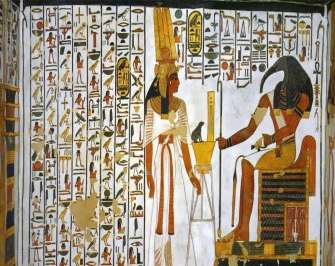
Luxor Free Day in Luxor Breakfast, lunch, and dinner on the Cruise If you wish to book an optional tour to ( West Bank ) Madinet Habu temple-Ramsseum-Valley of the Queens( 80 $ per person) Madinat Habu temple : In ancient times Madinat Habu was known as Djanet and according to ancient belief was the place was Amun first appeared. Both Hatshepsut and Tuthmosis III built a temple dedicated to Amun here and Later Rameses III constructed his larger memorial temple on the site. First Pylon – the temple of Rameses III During his time Djanet became the administrative center of Western Thebes. The whole temple complex was surrounded by a massive fortified enclosure wall, with an unusual gateway at the eastern entrance, known as the pavilion gate. This structure, a copy of Syrian migdol fortresses is something you would not expect to see in Egypt. Rameses III, a military man probably saw the virtue in such a structure. It is likely Rameses resided here from time to time because a royal palace was attached at the south of the open forecourt of this temple, while priests’ dwellings and administrative buildings lay on either side of the temple. Originally a canal with a harbor outside the entrance connected the temple to the Nile. But this was obliterated by the desert long ago. Madinat Habu temple from the air Ramsseum: Ramesseum, funerary temple of Ramses II (1279–13 BC), erected on the west bank of the Nile River at Thebes in Upper Egypt. The temple, famous for its 57-foot (17-meter) seated statue of Ramses II (of which only fragments are left), was dedicated to the god Amon and the deceased king. The walls of the Ramesseum, which is only about half preserved, are decorated with reliefs, including scenes depicting the Battle of Kadesh, the Syrian wars, and the Festival of Min Deir El Madina The main cemetery of the royal workmen at Deir el-Medina is situated to the west of the village, on the slope of the Theban hills. Most of the tombs were built during the 19th dynasty. Some of them are impressive in their decoration and size. By the time of the 20th dynasty, the tombs had been turned into family tombs in which the descendants of the original owners were buried. Little alterations were made apart from the addition of another subterranean burial chamber. The lower courses of the eastern hill of Qurnet Murai were the site of burials of babies and children. More than a hundred children were buried in common domestic pottery jars or amphorae, in baskets, even fish baskets, in chests, boxes or in proper coffins there. The poorest burials were those of still-born babies. They contained no jewelry or amulets, only small vessels filled with food for the afterlife. The adults' graves were situated higher up. Many of these graves date from the 18th dynasty Lunch During the tour. The valley of The Queens The Valley of the Queens, also known as Biban el-Harim, Biban el-Sultanate, and Wadi el-Melikat, is a place in Egypt where wives of Pharaohs were buried in ancient times. In ancient times, it was known as Ta-Set-Neferu, meaning - 'the place of the Children of the Pharaoh', because along with the Queens of the 18th, 19th and 20th dynasties (1550-1070 BCE) many princes and princesses were also buried with various members of the nobility. The tombs of these individuals were maintained by mortuary priests who performed daily rituals and provided offerings and prayers for the deceased nobility. The valley is located near the better-known Valley of the Kings on the west bank of the Nile across from Thebes (modern Luxor ) . This barren area in the western hills was chosen due to its relative isolation and proximity to the capital. The kings of the 18th dynasty, instead of the traditional building of pyramids as burial chambers (perhaps because of their vulnerability to tomb robbers), now chose to be buried in rock-cut tombs. This necropolis is said to hold more than seventy tombs, many of which are stylish and lavishly decorated. An example of this is the resting place carved out of the rock for Queen Nefertari (1290-1224 BCE) of the 19th Dynasty. The polychrome reliefs in her tomb are still intact. The ancient Egyptians gave it the name Set Neferu, meaning "seat of beauty". From 1903-1906 an Italian expedition discovered about eighty tombs, some of which belonged to children of royalty. Many were severely damaged having been burned and or reduced to being used as stables for donkeys and camels. One of the most well-known tombs is that of Nefertari, the best-loved of Ramesses II's numerous wives. In her honor, he built a beautiful temple at Abu Simbel. In the Evening you can Enjoy An Optional Tour Sound and Light Show at Karnak :( 35 $ per person) The show starts with a historical introduction covering the birth of the great city of Thebes and the erection of the Karnak The show narrates the glorious achievements of some great Pharaohs as you listen to a magnificent and poetic description of the artistic treasures and great legacy which the Karnak temple encloses. Overnight on the cruise

اليوم الثامن — ThursdayDay 8 — Thursday

Disembarkation Breakfast on Board. Disembarkation and transfer to the hotel in Luxor or Luxor airport transfer Inclusions: Meet and assist service upon arrival & departure All transfers by a modern air-conditioned deluxe vehicle Accommodation onboard Le Fayan Nile cruise on full board basis- 7 Nights All Nile Cruise excursions as mentioned in the itinerary sharing Nile cruise group Entrance fees to all sights between Luxor and Aswan English-speaking tour guide during your excursions All service charges and taxes Exclusions: Any extras and personal spending Tipping Optional tour to Abu Simble -90 $

Tour Prices

All prices above are per person. Children will be 50% of Adult prices.

Standard

Per person (starting from)

9-16 Pax
1600 $
5-8 Pax
1600 $
2-4 Pax
1600 $
Solo
1600 $

Tour Gallery

8 Days Nile river Cruise between Luxor and Aswan on Le Fayan Nile cruise

What to Pack

    What You Will Love About This Tour?

      💳

      Pay Monthly

      📞

      24/7 Customer Support

      💰

      Best Prices

      Rated 5* Stars

      Fast Booking

      Send a Request and Let the Dream Begin